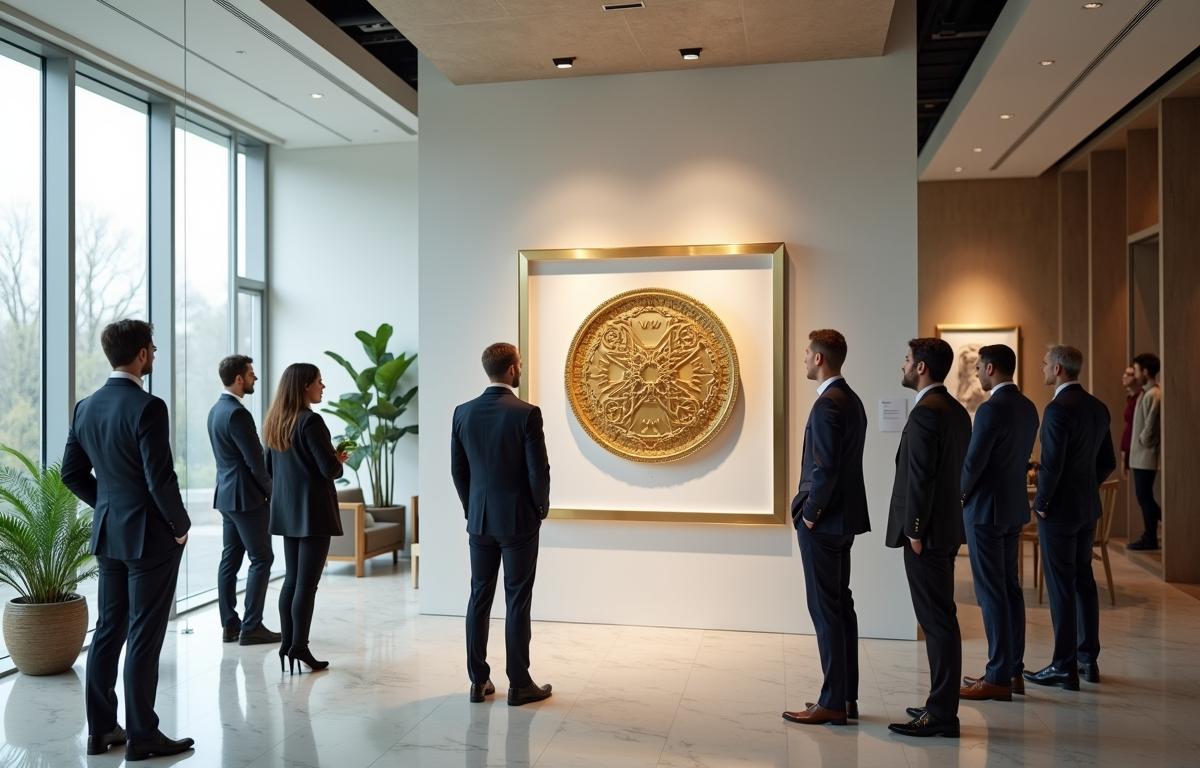

The potential for NFTs as investments captivates technology enthusiasts, art collectors, and finance professionals. Over the last few years, non-fungible tokens (NFTs) have gained traction as digital certificates representing ownership of unique pieces, often in the form of artwork, music, games, or even virtual real estate. The idea that you can buy a token granting exclusive rights to a particular image or audio file has introduced new layers of speculation, creativity, and opportunity for investors. Many people dismiss them as a fad, while others believe they could be the future of digital asset ownership. Whichever perspective resonates with you, it’s worth exploring various angles of how NFTs fit into real-world investment strategies, from risk factors to long-term potential.
Contents
The Rise of NFT Marketplaces
Blockchain-based marketplaces have enabled creators to offer digital collectibles to a global audience, bypassing traditional gatekeepers. Early adopters may have benefited from novelty and hype, selling tokenized art at astronomical prices. This has led to mainstream attention, with major auction houses facilitating NFT sales and celebrities launching their own collections. But the novelty has also raised questions about sustainability, price stability, and genuine use cases. Some fear a bubble fueled by speculation rather than tangible value.
Crypto-savvy buyers see these marketplaces as a cutting-edge option for diversifying beyond traditional stocks or real estate. At the same time, newcomers tend to look at headlines about people becoming millionaires overnight and hope to replicate that success. While the stories can be enticing, it’s important to approach any marketplace with caution, conducting thorough research and assessing your own risk tolerance. After all, not all NFTs are created equal; some hold real utility in gaming ecosystems or come backed by recognized IP, while others may be little more than digital novelties fading as quickly as they emerged.
Factors That Drive NFT Value
When investing in digital assets, it’s crucial to understand what underpins their perceived worth. Speculation plays a huge role, but there are also more concrete aspects that shape long-term value. Traits like scarcity, provenance, and broader acceptance within decentralized finance can all influence how an NFT’s price evolves over time. Here are some elements to consider before diving into any purchase.
Scarcity and Utility
Scarcity has always intrigued collectors, whether it’s rare art pieces in galleries or limited-edition sneakers. NFTs incorporate this scarcity by designating a verifiable proof of ownership that no one else can replicate. That exclusivity can make certain tokens inherently valuable if people desire the item they represent. Yet there’s more to it than just grabbing any limited piece; utility matters too. An NFT that grants membership access, special perks, or in-game bonuses may hold deeper appeal than one with no practical features.
In the realm of gaming, for example, NFTs often come with benefits, such as unique weapons, skins, or abilities in virtual worlds. These traits intensify user engagement and cement the NFT as more than a mere collector’s item. When a token has utility woven into its design, it can remain relevant even as the hype around NFTs ebbs and flows. Investors might find these utility-based tokens more stable, since people often hold onto them for access rights rather than quick flips.
Celebrity Influence
Big names endorsing an NFT can turn heads, sparking intense interest in a new drop. The market has seen everyone from famous musicians to star athletes release exclusive collections. Fans may buy these tokens for bragging rights, to support their idols, or to own a unique digital collectible associated with a person they admire. While these collaborations often set sales records, the excitement may die down once the star moves on to the next venture.
This doesn’t mean celebrity-backed NFTs are a poor choice, but hype alone isn’t a guarantee of long-term value. Investors should examine the underlying content, any additional perks offered, and the strength of the fan community. Otherwise, one might end up with a high-priced token that lacks staying power. Genuine utility or notable artistic merit usually has a bigger influence on whether the NFT stands the test of time.
Exploring Crypto Markets
NFTs intersect with broader crypto markets, shining a light on the dynamic interplay between digital art, blockchain infrastructure, and cryptocurrencies. Most NFTs are traded in cryptocurrency, such as Ethereum. That means buyers and sellers are subject to fluctuations in crypto pricing as well as NFT market sentiment. This dual volatility can bring larger potential gains but also higher risks.
Traders often monitor the overall crypto environment, including changes in regulations or technological upgrades, to gauge possible shifts in NFT demand. For instance, if Ethereum experiences congestion issues or high transaction fees, some users may rethink buying new tokens until costs normalize. On the flip side, improvements in speed or sustainability can encourage more participation, drawing fresh capital and attention to NFT projects. Basically, a holistic view of crypto trends gives you a better read on how NFTs might fare in the near future.
Layer 2 Solutions and Gas Fees
As the popularity of NFTs ballooned, high gas fees on major blockchains became a common complaint. This prompted innovators to explore layer 2 solutions, like Polygon (Matic), which reduce transaction costs by processing off-chain before settling on the main network. Such solutions can improve user experience, enabling smaller investors to mint or trade tokens without shelling out exorbitant fees.
Lower gas costs might also encourage developers to experiment with new NFT functionalities. Some projects tie NFTs to real-world items or create entire marketplaces for fractional ownership of high-value assets. These expansions broaden the scope of what is possible and could attract a wider audience to the NFT space. For an investor, staying on top of available technologies can make a difference in timing and strategy, preventing unexpected friction when trading.
Investment Strategies for NFT Collectors
Some buyers approach NFTs purely as long-term holds, hoping their digital assets will appreciate as the market matures. Others adopt a more trading-oriented mindset, seeking undervalued gems that can be flipped for quick profits. Both paths require a grounded strategy. Here are a few considerations to keep in mind while planning your moves in this evolving digital landscape.
Spend time researching the art, special features, or perks associated with any token. Look beyond the project’s marketing pitch and inspect the track record of its creators. If the team behind a project has a history of delivering quality products or has strong partnerships, that can be a positive signal. Another angle is community appeal. A devoted following often sustains the value of a collection over time, whether it’s through fan engagement, regular updates, or robust discussions on social channels.
Diversification and Risk Management
Even the most promising NFTs can see dramatic drops in value if market sentiment shifts. While it might be tempting to pour all your funds into a single collection, diversifying across multiple projects can reduce the sting of any one token crashing. Some people balance their holdings among blue-chip NFTs those from well-established creators or reputable brands and riskier, emerging tokens with higher upside potential.
At the same time, prudent investors set clear budget limits and avoid chasing hype with money they can’t afford to lose. Understanding that NFT values can be volatile helps maintain discipline and prevents rash decisions. It’s often better to build a balanced portfolio that includes more traditional investments, such as stocks or bonds, alongside your NFT endeavors.
Overspending or following every flashy trend is a fast path to regret. For those new to NFTs, exploring established platforms with transparent histories and strong user bases offers a safer starting point. Look for marketplaces where past collections have performed well, and read up on how they verify authenticity. Some platforms offer curated selections, meaning they screen artists or only admit certain types of content.
It’s also important to confirm that you are purchasing a genuine piece. Scammers have been known to copy someone else’s artwork or replicate official NFT listings, tricking unsuspecting buyers. Double-check the seller’s credentials, read community feedback, and see if the NFT is minted from an official source. If a listing seems too good to be true, or looks suspiciously like a well-known project under a slightly different name, exercise caution.
Potential for Real-World Integration
The hype around NFTs often revolves around digital art, but there’s a growing push to link NFTs with physical or experiential rewards. Some creators bundle tokens with limited-edition prints, event tickets, or personal meetups. Brands could even tokenize membership or loyalty points, turning them into tradable assets. Such real-world integrations might expand the audience beyond crypto fans, as more people see tangible benefits in owning NFTs.
In real estate, there have been experiments with partial ownership represented by NFT shares. This approach can lower entry barriers for regular investors, letting them own a piece of high-value property instead of needing substantial capital for an entire purchase. If these new applications continue to develop, the potential for NFTs as investments could be far greater than just collecting digital images.
Final Thoughts
Navigating NFTs as investments involves understanding evolving markets, assessing genuine utility, and managing risk in a largely uncharted domain. While plenty of people have been spurred by success stories, caution is necessary to avoid pitfalls. Looking beyond the hype can reveal opportunities in areas like gaming, real estate, and tokenized membership models, each with its own growth trajectory. By investigating your chosen project’s fundamentals and staying active in relevant communities, you can position yourself to better gauge which tokens stand a chance of holding value over time.
Above all, remember that NFTs remain an experimental frontier. Balancing ambition with responsibility keeping an eye on technology developments, marketplace trends, and credible partnerships can guide more informed choices about where to invest. If you prefer real ownership over digital items and enjoy the process of collecting, then NFTs could indeed have an enduring place in a diverse investment strategy. The future of this novel market is still unfolding, and the real challenge is identifying which innovations will shape tomorrow’s digital economy.