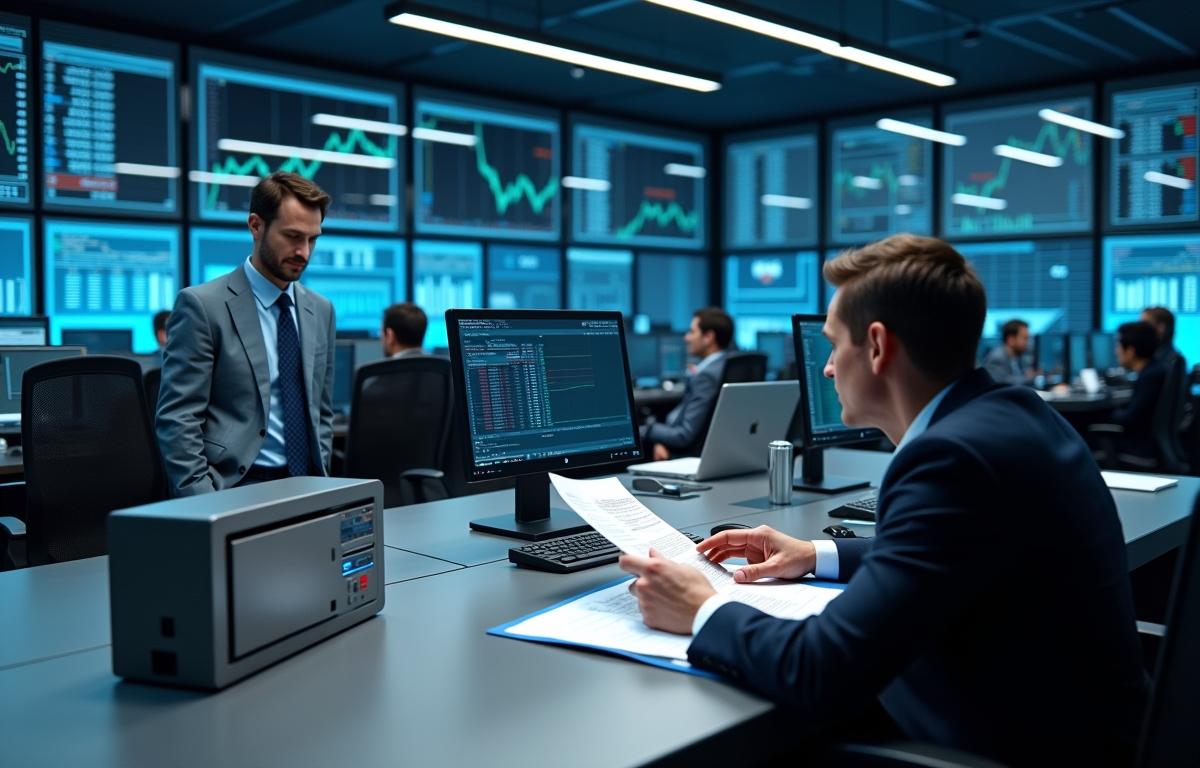

The digital asset landscape depends on gateways that link buyers and sellers through crypto exchanges. These platforms have experienced steady growth, thanks to heightened public interest in cryptocurrencies and the promise of borderless transactions. Yet, with rising popularity comes greater scrutiny over potential hacks and data breaches. Every participant, from newcomers to those who’ve been trading for years, must take a close look at how platforms safeguard funds.
Many individuals jump into digital trading without fully considering the threats lurking online. Weak passwords and unprotected accounts can be an easy target. Even well-established platforms must stay on top of evolving security technology. This leaves traders with a key question: which services prioritize keeping your assets safe?
Contents
- 1 Why Security Matters in Crypto Trading
- 2 Evaluating Crypto Exchanges for Robust Features
- 3 Notable Platforms and Their Security Tools
- 4 Extra Layers of Protection to Keep in Mind
- 5 How Regulations Affect Security Measures
- 6 Monitoring User Education and Community Forums
- 7 Staying Vigilant in the Evolving Landscape
- 8 Final Thoughts on Choosing the Right Platform
Why Security Matters in Crypto Trading
Security is a critical factor in preserving both peace of mind and long-term investments. Traders often store significant amounts of digital currency on these platforms, which makes them attractive targets for cybercriminals. Accounts that are compromised or exchanges that fail to bolster their defenses can cause tremendous financial losses overnight. No one wants to wake up to find their carefully managed portfolio drained by unauthorized actors.
When weighing up various platforms, look beyond flashy user interfaces. Investigate how they encrypt personal data, store private keys, and respond to ddos attacks. Exchanges that invest heavily in advanced protective measures tend to be more transparent. Their approach often includes routine security audits, bug-bounty programs, and real-time monitoring of account activity.
Evaluating Crypto Exchanges for Robust Features
Examining a platform for reliability goes beyond verifying its trading tools. Investors may find it beneficial to explore an exchange’s background, past security incidents, and overall reputation. Assess whether the platform integrates two-factor authentication (2FA), a simple but powerful method of adding an extra layer to logins. Another criterion is how an exchange handles cold storage, which keeps most user funds offline, away from potential digital threats.
In addition, scrutinize their insurance policies for stored assets. While no coverage is perfect, having some form of protection can mitigate potential damage. Speedy customer support also plays an essential role because swift action can limit a hacker’s reach if users detect suspicious behavior in time. Overall, due diligence on these aspects can guide you toward a safer trading experience.
Notable Platforms and Their Security Tools
Several services excel in fortifying account protection. They combine proven industry standards like cold storage with cutting-edge defenses, such as artificial intelligence-based anomaly detection. Seeing these measures in action can reassure both experienced traders and those just dipping their toes into digital asset markets.
Coinbase and Its Multifaceted Encryption
Coinbase has become a go-to destination for many newcomers. It requires identity verification, which discourages fraudsters from creating fake accounts. The exchange also offers strong encryption for sensitive data and keeps the bulk of funds in cold storage. By doing so, it minimizes the likelihood of mass theft during a cyberattack. Users can further enable 2FA through authenticators or mobile prompts, ensuring that account infiltration becomes an uphill battle for hackers.
Kraken’s Commitment to Ongoing Audits
Trader confidence often hinges on how actively a platform tests its defensive walls. Kraken is known for consistent security audits that probe its internal systems. These tests, executed both internally and through external partnerships, help detect weaknesses before malicious actors can exploit them. Additionally, Kraken employs encrypted data storage and encourages clients to enable global settings lock, which places restrictions on account changes. This reduces the possibility of fraudulent withdrawal requests.
Binance’s Advanced Authorization Methods
As one of the largest crypto exchanges by volume, Binance remains in the spotlight. That attention drives the platform to enhance its defenses regularly. Besides default login credentials, it mandates 2FA and offers additional verification layers via email and SMS. Binance also monitors real-time activity, flagging unusual login behaviors or attempts to access new withdrawal addresses. Their massive user base means that threat intelligence is constantly updated, helping them respond swiftly to emerging cyber threats.
Gemini’s Regulatory Emphasis
Gemini has carved out its reputation by aligning closely with regulatory standards. Such compliance requires frequent third-party audits and rigorous oversight, which adds layers of trust. Users can rely on the company’s focus on custody solutions, applying bank-level protocols and ensuring that even internal teams undergo background checks. This approach helps reduce insider threats and improves the overall safety net. Gemini also provides insurance coverage for digital assets, reflecting a proactive stance on protecting user funds.
KuCoin and Behavioral Security Patterns
KuCoin implements a combination of partial cold storage, multi-factor authentication, and frequent password reminders. However, it distinguishes itself by observing behavioral patterns on user accounts. Any unusual trading activity or login attempt from suspicious IP locations triggers an account lock. That protective measure buys time for users to verify their identity and reset compromised credentials. This kind of vigilance benefits individuals who might miss warning signs on their own.
Extra Layers of Protection to Keep in Mind
Human error remains a significant factor in allowing intrusions. No matter how robust the exchange, a careless or shared password might open the gate to bad actors. Practicing good cyber hygiene should go hand in hand with selecting a secure platform. Reputable services encourage adding strong passphrases and suggest rotating them regularly. Moreover, they assist by allowing or even requiring hardware keys for advanced account protection.
The Role of Hardware Wallets
Storing your cryptocurrencies on an exchange has its pros and cons. Despite the convenience, it poses greater security risks compared to managing coins on a personal hardware wallet. A hardware wallet keeps private keys offline, immune to typical phishing ventures, making it a precious layer of security. Exchanges that partner with or endorse hardware wallets show they prioritize long-term user safety. For those who trade frequently, it might be worth balancing the use of an exchange with independent storage methods.
How Regulations Affect Security Measures
Regulations vary widely depending on the jurisdiction. Some regions demand higher standards for consumer protection, pushing exchanges to step up their security game. Such regulations require consistent auditing and registration with local authorities. This framework can act as a safety net for traders, ensuring that the exchange doesn’t cut corners. When a platform holds valid licenses and meets legal prerequisites, there’s often a structured plan for user protection.
At the same time, regulatory oversight is not foolproof. Hackers continually evolve their methods, and rules can lag behind fast-changing technology. In such instances, platforms that pay attention to real-time threats take a more proactive role in securing your funds. They don’t just wait for government directives; they innovate to maintain their reliability.
Monitoring User Education and Community Forums
Many crypto exchanges that value transparency host regular webinars or post security tips. These resources help users learn about phishing attempts, suspicious links, and best practices for account management. That openness indicates the platform cares about more than just transaction fees. Indeed, a knowledgeable user base acts as another safety layer, because fewer individuals will be susceptible to rudimentary attacks.
Tapping into Community Insights
Forums and online communities are excellent spots to gauge an exchange’s actual performance. Actual users share experiences about outages, hacking attempts, and how quickly support responded. While no platform is totally immune to technical challenges, the response speed and clarity of customer service matter. If you notice repeated complaints about stolen funds or delayed withdrawals, it might be wise to think twice before signing up.
Staying Vigilant in the Evolving Landscape
In an environment where technology swiftly morphs, security strategies must follow suit. Exchanges that invest in new solutions, from hardware security modules to biometric authentication, stand a better chance of thwarting advanced attacks. Keeping an eye on your own account behavior is crucial, too. Regularly reviewing login locations and transaction logs can alert you to any unusual activities right away.
Traders need to remember that security is a shared responsibility. Platforms can only do so much if an individual leaves personal data unguarded. Combining strict internal safeguards with user awareness creates a safer ecosystem. Whether you’re chasing quick profits or building a long-term portfolio, peace of mind ranks just as high as a profitable trading strategy.
Final Thoughts on Choosing the Right Platform
Picking a service that aligns with your security expectations is vital for long-term success. Different exchanges tailor their defenses in ways that suit a variety of needs. Some emphasize regulatory compliance and thorough audits, while others draw on innovative technology like behavioral analysis or biometric scanning. Evaluate whether you require advanced trade features or simpler, user-friendly interfaces. Because threats evolve each day, it’s crucial to pick a place that can keep up with modern hacking tactics.
Remember to mix external backup strategies with whatever exchange you choose. Even if your chosen platform excels in protective measures, diversifying your storage methods is wise. This approach spreads risk and ensures you always have control of your keys. Ultimately, the goal is not just to grow a digital asset portfolio but to shield it from prying eyes. By carefully investigating each option, you’ll be in a much stronger position to secure your holdings.